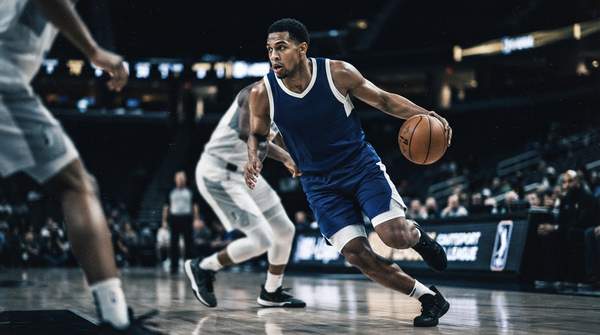
In a critical playoff game against the Knicks, the Philadelphia 76ers' bench went a staggering 36 minutes without scoring a single point. This extended drought from reserves crippled the team's ability to sustain offensive pressure and provide relief for its starters, exposing a profound strategic void. Such a severe lack of bench production in a high-stakes scenario reveals a fundamental flaw for teams prioritizing specific roster constructions without adequate depth.
But: The league is rapidly trending towards super fast, guard-led play, yet this pursuit of offensive dynamism often comes at the cost of fundamental defensive and rebounding solidity.
Teams adopting extreme small-ball strategies will gain offensive dynamism but risk critical defensive breakdowns, forcing a re-evaluation of traditional roster balance and requiring innovative solutions to mitigate size disadvantages. This strategic pivot will redefine team building for 2026 and beyond.
The Shrinking Court: Defining Small Ball
The NBA's evolving definition of a competitive lineup increasingly favors agility and speed over traditional size. Bruin Sports Analytics defines a small ball lineup as one where every player is 80 inches (6'8") or shorter, a threshold that aligns with Coach Nick Nurse's positive view of the league's current trend toward 'super fast play,' as reported by Sixers Wire. This preference for quicker, more versatile players over taller, slower ones fundamentally alters roster construction and on-court tactics. The league's embrace of speed demands a complete re-evaluation of how teams balance offensive output with defensive capabilities, suggesting that traditional power forwards and centers may soon become specialized roles rather than foundational pieces.
Philadelphia's Fast Break into the Future
| Strategic Focus | Pre-2026 Draft | Post-2026 Draft Outlook | Implication for 2026 |
|---|---|---|---|
| Pace of Play | Moderate | Accelerated | Increased offensive possessions |
| Roster Construction | Balanced | Guard-heavy | Emphasis on perimeter talent |
| Key Player Archetype | Versatile Forwards | Dynamic Guards | Shift in primary playmakers |
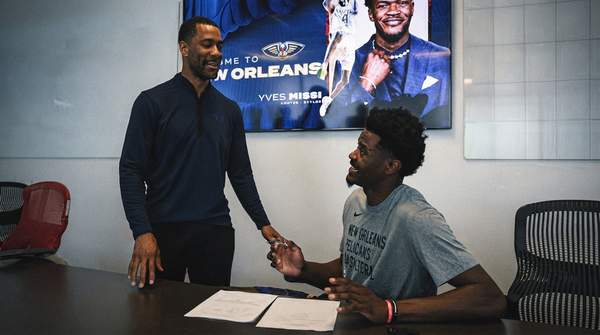
The Philadelphia 76ers' strategic shift is reflected in the table, informed by reports from Sixers Wire regarding their focus on playing fast with guards leading the way after draft selections.
The Philadelphia 76ers are actively implementing a small ball strategy, pushing the pace with guards leading the way, particularly following the draft selection of Labaron Philon Jr. according to Sixers Wire. This deliberate shift towards a guard-heavy, fast-paced system epitomizes the modern NBA's pursuit of offensive dynamism. Yet, Coach Nick Nurse's explicit concerns about defensive and rebounding challenges for small lineups directly contradict his positive view of the league's fast-play trend. This suggests the 76ers are knowingly embracing a strategy with inherent, potentially unmitigated, structural weaknesses, gambling that offensive firepower will consistently outweigh defensive liabilities.
The Cost of Speed: Defensive Dilemmas
Lineups featuring guards such as 6-foot-2 Tyrese Maxey, 6-foot-2 Labaron Philon Jr. and 6-foot-4 VJ Edgecombe will present specific defensive and rebounding challenges for the 76ers, according to Sixers Wire. Coach Nurse himself has identified his primary concerns for the 76ers when playing small: getting back on defense, keeping pace with opponents, and preventing opponents from crashing the offensive glass. These specific vulnerabilities, acknowledged by the coach, reveal the tangible costs of prioritizing speed over size. While offering offensive advantages, these small lineups inherently introduce significant defensive liabilities, particularly in rebounding and transition defense, which coaches must actively mitigate. The 76ers' draft strategy, bringing in multiple guards like Labaron Philon Jr. and VJ Edgecombe, solidifies their commitment to small ball, compelling them to confront Nurse's stated defensive and rebounding challenges head-on. This approach risks exposing them to predictable vulnerabilities against larger, more physical opponents, forcing a critical re-evaluation of how teams can maintain defensive integrity without sacrificing offensive pace.
The Balancing Act: Adapting to the New Normal
Teams embracing small ball must develop innovative strategies to counteract inherent defensive and rebounding deficits.
- The Sixers' 36-minute bench scoring drought against the Knicks starkly illustrates this trade-off: their aggressive pursuit of guard-led 'super fast play' sacrifices critical scoring depth and resilience, leaving them vulnerable when primary scorers are contained, according to libertyballers and Sixers Wire.
Future NBA success hinges on a team's capacity to creatively address the defensive and rebounding gaps inherent in small ball, perhaps through advanced schemes or specialized player development. This strategic imperative dictates that a fast-paced, guard-heavy approach requires corresponding adjustments to defensive philosophy and player training. Teams must maximize offensive advantages while aggressively minimizing the liabilities that accompany sacrificing traditional size and strength. The ongoing evolution of small ball necessitates a holistic approach to roster building and game planning, emphasizing versatile players who can contribute on both ends of the court despite physical mismatches, potentially redefining positional roles entirely.
Beyond the Hype: Strategic Imperatives for Small Ball
- The Philadelphia 76ers' pursuit of 'super fast play' has led to a critical trade-off, sacrificing scoring depth for offensive dynamism, as evidenced by a 36-minute bench scoring drought in a playoff game against the Knicks.
- Coach Nick Nurse's acknowledged concerns about defensive and rebounding challenges for small lineups suggest the 76ers are knowingly integrating a strategy with inherent structural weaknesses despite its offensive appeal.
- The 76ers' 2026 draft strategy, which included selecting multiple guards, solidifies their commitment to small ball, obliging them to directly confront predicted defensive and rebounding vulnerabilities.
By Q3 2026, if the Philadelphia 76ers' bench production remains inconsistent, they will likely face critical decisions regarding roster adjustments and defensive schemes to mitigate the rebounding and defensive vulnerabilities inherent in their guard-heavy small ball approach.