In a World Cup quarter-final, England's winning goal against Norway stood despite furious protests from Norwegian players claiming the ball hit an overhead SkyCam cable. FIFA later denied this claim, asserting no contact occurred. This tension — between player perception and official denial — fueled immediate debate, overshadowing England's 2-1 victory. Controversial decisions, even with VAR, will continue to spark debate and potentially overshadow sporting achievements, demanding clearer protocols on external interference.
The Cable Controversy and FIFA's Official Stance
The controversy centers on Norway goalkeeper Orjan Nyland's goal kick, which FOX Sports and Diario AS reported struck overhead camera cables, directly leading to Jude Bellingham's goal. This account stands in direct opposition to FIFA Media's statement on X, which asserted the ball never hit the wire.
FIFA's swift, categorical denial, issued via social media, suggests a deliberate strategy to control the match narrative. This approach, prioritizing official pronouncements over conflicting player protests and media reports, risks undermining transparency and the game's integrity.
Broader Game Context and VAR Decisions
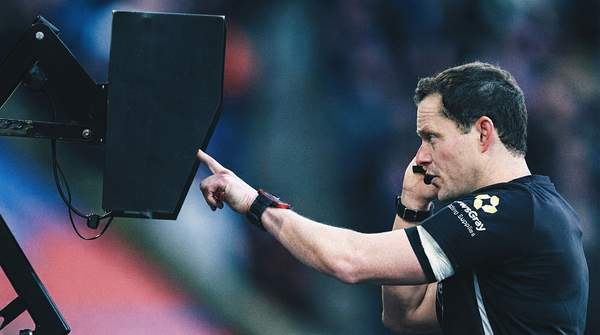
Beyond the SkyCam incident, Norway faced other critical VAR decisions. The New York Times reported a second Norway goal was ruled out for an Erling Haaland foul, following an earlier disallowed goal in the second half, as detailed by FOX Sports. Haaland, who had already scored 7 goals in 5 tournament games for Norway, was central to Norway's attack, making these VAR calls particularly impactful.
This differential application of VAR — penalizing Norway for fouls while seemingly overlooking the alleged SkyCam interference for England's goal — exposes a critical inconsistency. Such disparities erode the technology's credibility and fuel distrust among teams and fans, leaving Norway with a profound sense of injustice despite their strong individual performances.
Implications for Future VAR Protocols
The SkyCam controversy, coupled with other contentious VAR calls, amplifies the impact of perceived official misjudgment. It underscores that technological advancements like SkyCam introduce unaddressed variables, exposing current rules and review processes as ill-equipped. This growing tension between objective broadcast evidence and official denials leaves fans and teams questioning the game's integrity.
The incident will undoubtedly reignite debates on VAR's scope and the clarity of rules regarding external elements like camera cables. Governing bodies will likely face pressure to implement more transparent review mechanisms, potentially leading to revised guidelines for major tournaments by the end of 2026.
Frequently Asked Questions
Why did VAR not review the alleged SkyCam interference for Jude Bellingham's goal?
The match officials, including the VAR team, did not review the alleged SkyCam interference during play. This suggests that either the incident was not deemed significant enough to warrant a review under current protocols, or the VAR system did not detect clear and obvious evidence of contact. FIFA's subsequent denial further cemented the decision.
What are the rules regarding external interference, like SkyCam cables, in football?
According to FIFA's Laws of the Game, if an external object interferes with play, the referee may stop the game and restart it with a dropped ball. However, the interpretation of what constitutes 'interference' and how to verify contact with overhead equipment like SkyCam cables remains a gray area, often relying on official assessment rather than immediate technological review.
What is the SkyCam system used in football?
SkyCam is a computer-controlled, cable-suspended camera system that provides aerial views of sporting events. It moves above the field of play, offering unique perspectives for television broadcasts. While it enhances viewer experience, its cables can become a point of contention if a ball makes contact with them during a match, potentially influencing play.