
Formula 1
5 articles
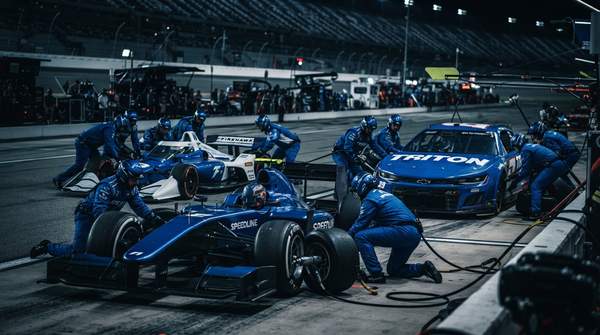
Four Battlegrounds of Race Strategy: How F1, IndyCar, and NASCAR Play Different Games With the Same Dilemma
Race strategy in motorsports hinges on balancing tire wear with pit stop frequency, but F1, IndyCar, and NASCAR each face this dilemma through unique rulebooks and priorities. Understanding these differences in tire management, pit stop timing, fuel strategy, and external variables reveals why adaptability is key to victory in each series.
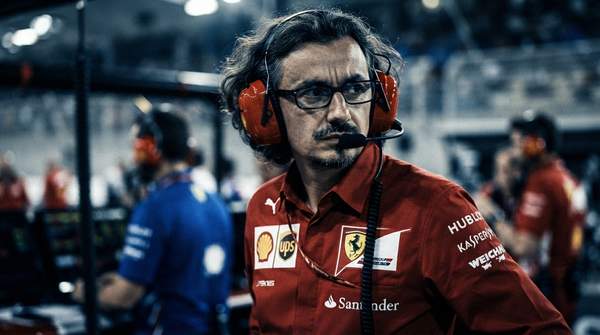
How Data and Game Theory Dictate Formula 1 Race Strategy
Modern Formula 1 race strategy is a sophisticated, data-driven process that leverages vast amounts of telemetry, complex simulations, and game theory to optimize performance and outmaneuver competitors. Decisions on pit stops, tire management, and race tactics are continuously refined in real-time.
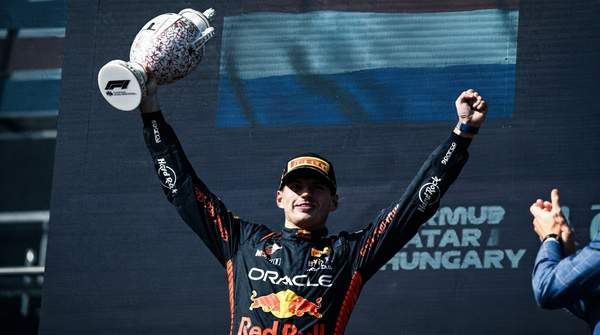
Verstappen Powers Red Bull Ford to Victory in Malaysia, Ending Ford's 23-Year F1 Win Drought
Max Verstappen powered Red Bull Ford to a landmark victory at the 2026 Bahrain Grand Prix in Malaysia, marking Ford's first Formula 1 win in 23 years. This triumph validates the new Red Bull Ford Powertrains entity in its debut season.

F1's Data Deluge Fuels Strategic Decision Making
In Formula 1, a two-stop strategy with pit stops on lap 12 and lap 32 isn't a gut feeling from a seasoned strategist, but a precise output from a Monte Carlo simulation run in milliseconds.

Top 7 Most Iconic Formula 1 Overtakes of All Time
Ayrton Senna's legendary pass on Alain Prost at Suzuka in 1988?