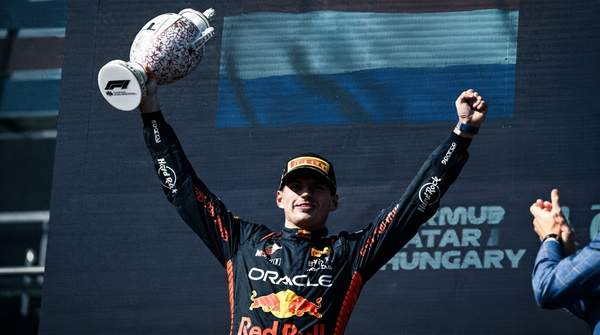
Ford Motor Co. has returned to the top of a Formula 1 podium for the first time in 23 years, securing a landmark victory with partner Red Bull Racing on October 4, 2026. Driver Max Verstappen guided his car to first place at the Sepang International Circuit in Malaysia, delivering a historic first win for the newly formed Red Bull Ford Powertrains entity in its debut season. The victory marks a triumphant comeback for the American automotive giant, which last celebrated an F1 win in 2003.
The event, officially named the Formula 1 Gulf Air Bahrain Grand Prix in Malaysia 2026, represents a major milestone for Ford since re-entering the sport this year. The win not only breaks a more than two-decade drought but also serves as a powerful validation of the high-profile technical partnership with the Red Bull team, establishing the new power unit as a competitive force at the pinnacle of motorsport.
2026 Bahrain Grand Prix (Malaysia) Podium Results
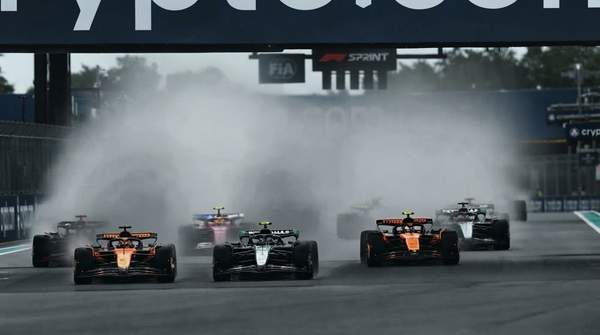
Max Verstappen’s victory came after starting the race from pole position. Despite a poor start, he managed to reclaim the lead and beat Mercedes driver Kimi Antonelli, who finished second. The final podium spot was claimed by Ferrari’s Lewis Hamilton, who charged back through the field to secure third place. The race, which was preceded by heavy rain and a delay, showcased the strength of the new power unit, with all four cars powered by Red Bull Ford Powertrains finishing in the top 10, according to a statement from Ford Racing.
| Position | Driver | Team |
|---|---|---|
| First | Max Verstappen | Red Bull Racing-Red Bull Ford |
| Second | Kimi Antonelli | Mercedes |
| Third | Lewis Hamilton | Ferrari |
A 23-Year Wait: Ford's Journey Back to Victory Lane
The win in Sepang is a deeply significant moment in Ford's storied motorsport history. The company, which was once the sport's winningest engine maker with the famed Cosworth DFV from 1967 to 1984, had faded from Formula 1 in the early 2000s. Its return in 2026 with Red Bull involved the immense challenge of developing a completely new, in-house power unit to compete at the highest level. This victory, achieved in the 16th race of the 2026 season, is the 177th win for a Ford-associated engine in Formula 1, adding a new chapter to the company's legacy.
Reactions from Ford and Red Bull
The achievement prompted celebrations from Red Bull's base in Milton Keynes to Ford's global headquarters in Dearborn. According to The Detroit News, the win energized Ford's main office, where race highlights played on video screens. Ford Executive Chairman Bill Ford expressed his excitement in a conference call with employees and on social media. “What a weekend!” he wrote on LinkedIn. “Building an entirely new power unit from scratch to compete at the pinnacle of motorsport was an extraordinary challenge. So many talented people worked tirelessly to deliver this result. I hope you all enjoy this moment.”
For Red Bull, the win marked the biggest milestone yet since becoming a power unit manufacturer. Winning driver Max Verstappen hailed the achievement as "incredible," emphasizing the collective effort. In a report from GrandPrix247, he noted the significance of the accomplishment for the new operation. “Of course, to win a race in the first year of being a new power unit manufacturer is honestly just incredible and something everyone should be really proud of," Verstappen said.
Significance for Ford and Red Bull Ford Powertrains
This victory confirms the successful re-entry of Ford into Formula 1 as a power unit partner and establishes Red Bull Ford Powertrains as a competitive force. The win is a powerful proof of concept for the ambitious joint venture, validating the technical and strategic decisions made by both companies. It demonstrates that the partnership can compete for victories in its inaugural season, a significant accomplishment in the highly competitive world of Formula 1. The key indicator of sustained success will be the continued competitive performance of Red Bull Ford Powertrains in subsequent F1 races.