J.P. Crawford, the Seattle Mariners' veteran shortstop, immediately volunteered to manager Dan Wilson that he was willing to move to third base after learning of rookie Colt Emerson's promotion, according to The New York Times. This proactive offer by a seasoned player to abandon an established role for a newcomer signals a significant shift in team integration strategy. Crawford has already started taking grounders at third base again, a position he previously played when he broke into the league with the Philadelphia Phillies in 2017, as also reported by The New York Times.
A veteran player typically defends an established role, yet Crawford proactively offered to shift positions to accommodate a rookie. This action challenges traditional team dynamics, where positional changes often result from managerial decisions or performance issues.
The Mariners are strategically positioning themselves for future success by fostering a culture of adaptability and prioritizing their top prospect's development, even if it means reconfiguring their established infield. This decision highlights an aggressive, potentially risky, strategy of forcing veteran adaptation to accelerate top-tier prospect integration, prioritizing future potential over current team chemistry.
- J.P. Crawford volunteered to manager Dan Wilson that he was willing to move to third base after learning of Colt Emerson's promotion, according to The New York Times.
- Crawford suggested the idea of playing third base to allow Emerson to play shortstop, according to Sports Illustrated.
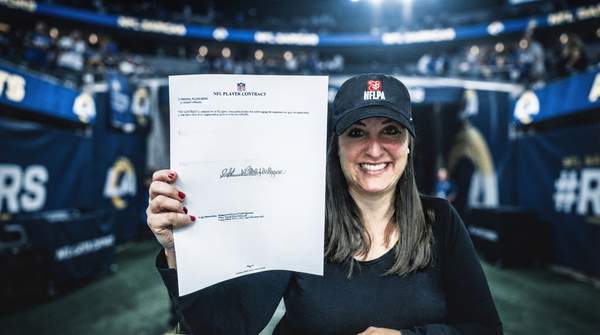
- The Mariners signed Colt Emerson to an eight-year, $95 million contract extension, according to Sports Illustrated.
- Emerson has played primarily shortstop in his career, totaling 2074 innings, according to MLB Trade Rumors.
- Emerson has also played third base in his first three MLB games, according to MLB Trade Rumors.
- Crawford has started taking grounders at third base again, a position he played with the Philadelphia Phillies in 2017, according to The New York Times.
The Strategic Rationale Behind the Shift
The Mariners signed Colt Emerson to an eight-year, $95 million contract extension, according to Sports Illustrated, underscoring a significant long-term organizational investment. Emerson has primarily played shortstop throughout his career, accumulating 2074 innings at the position, according to MLB Trade Rumors. This substantial financial commitment and Emerson's established primary role at shortstop position him as a cornerstone for the Mariners' future infield.