
Rachel Goldberg
Editorial byline
Rachel Goldberg is an editorial byline for Locker Room Wire, with a focus on The Huddle, Draft HQ. Biographical credentials and external profiles are published only after verification.
Learn more about our editorial process and use of automation in our AI & Automation disclosure.
Coverage Areas
Latest Articles
How NFL Teams Quantify Positional Value: Two Data-Driven Methods Explained
NFL teams quantify positional value in the draft using two data-driven methods: one analyzing veteran market salaries and the other assessing rookie performance and retention. Understanding these approaches is crucial for strategic roster building under the NFL's hard salary cap and rookie wage scale.
Nov 21, 2026 · 5 min read
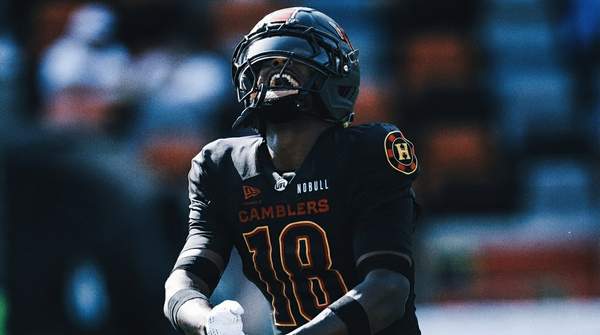
Heisman Runner-Up Diego Pavia Goes No. 1 in UFL Draft After NFL Passed on Him
Vanderbilt's Heisman runner-up Diego Pavia was selected No. 1 overall in the UFL draft by the Columbus Aviators, seven months after every NFL team passed on him. This pick offers Pavia a new professional opportunity after his NFL aspirations were sidelined due to scouting concerns.
Nov 20, 2026 · 4 min read
Why NFL Offenses Go Heavy: The Strategy Behind 12, 21, and 22 Personnel
NFL offenses utilize heavy personnel groupings like 12, 21, and 22 not merely to signal a run, but strategically to force defensive responses and exploit resulting mismatches, whether on the ground or through the air.
Nov 19, 2026 · 5 min read
Agility and Vision Over Straight-Line Speed: How NFL Teams Should—and Sometimes Don't—Evaluate Running Back Prospects
NFL teams often misjudge running back prospects by prioritizing straight-line speed and versatility over short-area agility, contextualized college production, and advanced efficiency metrics, which are more predictive of professional success. A comprehensive evaluation framework should focus on traits like the 20-yard shuttle, vision, and conference strength to identify truly impactful players.
Nov 17, 2026 · 6 min read

Undercut vs. Overcut: How F1 Teams Use Pit Stop Timing to Win Track Position
Formula 1 races are often decided in the pit lane, with teams employing the undercut or overcut strategies to gain track position. The undercut involves pitting early for fresh tires, while the overcut means staying out longer on worn rubber to leapfrog a rival.
Nov 12, 2026 · 4 min read
Why a Prospect's Pro Day Performance Means Something Different Than His Combine Performance
The NFL Combine and Pro Days offer distinct evaluation contexts for draft prospects, with the Combine standardizing metrics and Pro Days providing a tailored showcase. Understanding these strategic differences is key to interpreting player performances and draft projections.
Nov 10, 2026 · 4 min read
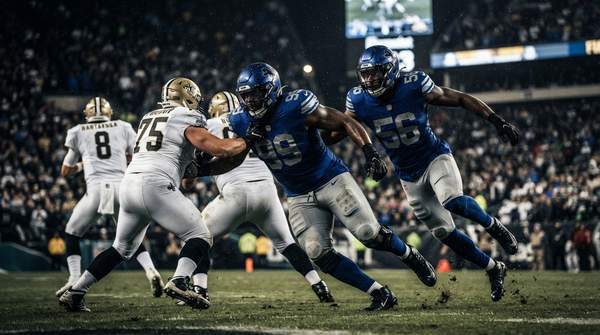
The Penetrator and the Looper: How Every NFL Defensive Line Stunt Actually Works
NFL defensive line stunts, often called twists or trades, rely on a two-player penetrator-looper dynamic. The penetrator engages a blocker to create an opening, allowing the looper to exploit the vacated lane and rush the passer.
Nov 9, 2026 · 5 min read
How the NFL Practice Squad Works in 2026: Eligibility, Elevations, and the Three Paths to an Active Roster
In 2026, the NFL practice squad comprises 16 players, with specific eligibility rules for veterans and rookies. Players can reach the active roster via temporary game-day elevations, signing with their own team, or being signed by another NFL club, each with distinct rules and consequences.
Nov 6, 2026 · 5 min read
How NFL Teams Turn Player Tracking Data Into Workload Decisions
NFL teams leverage precise RFID player tracking data, not GPS, to capture real-time movement. This data is then transformed into key performance metrics to inform workload management and injury prevention strategies, optimizing player performance and availability.
Oct 30, 2026 · 5 min read

Landon DuPont Tops NHL Central Scouting's Preliminary Watch List, and the 'A' Rating He Carries Has a Strong Draft Track Record
Landon DuPont has earned an "A" rating from NHL Central Scouting, designating him as a potential first-round candidate for the 2027 NHL Draft. This rating carries significant historical weight, with a high conversion rate of "A"-rated prospects being selected in the first round.
Oct 27, 2026 · 4 min read
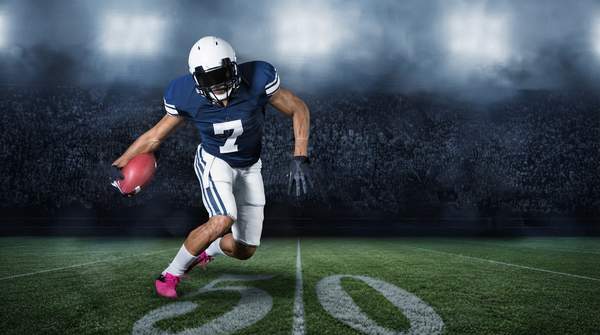
11, 12, and 21 Personnel: How NFL Offenses Use Two Digits to Dictate the Defense
NFL offensive personnel groupings, identified by two digits representing running backs and tight ends, dictate defensive formations in a pre-snap strategic battle. Understanding these formations like 11, 12, and 21 personnel reveals the offensive intent and the defensive counter-strategy.
Oct 26, 2026 · 4 min read
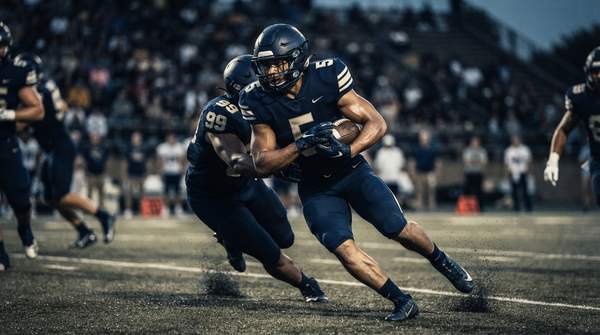
NCAA's New Five-Year Eligibility Rule: Why the Redshirt Is Effectively Dead in Division I
The NCAA's new five-year eligibility rule for Division I football effectively eliminates the traditional redshirt, granting athletes five years to compete in five full seasons. This change impacts player development, roster management, and NFL draft strategies.
Oct 25, 2026 · 4 min read
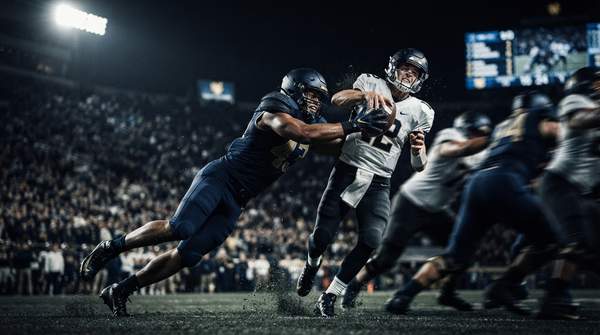
Scouting 2026 Edge Rushers: Four Traits to Watch on Film
This guide details the four key traits—motor, hand usage, bend/fluidity, and burst/power—essential for scouting 2026 NFL Draft edge rushers on film. It explains how these observable actions define different pass-rusher archetypes and their impact.
Oct 24, 2026 · 5 min read
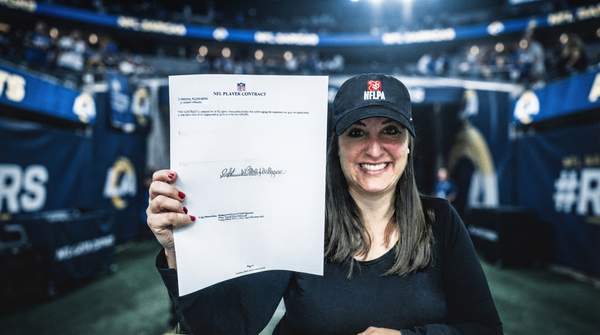
Exclusive, Non-Exclusive, or Transition: How NFL Teams Choose Their Tag
NFL teams utilize exclusive, non-exclusive, and transition tags to retain star players, each offering distinct trade-offs between control, cost, and draft pick compensation. The strategic choice hinges on a team's priorities for player retention and market risk management.
Oct 22, 2026 · 5 min read
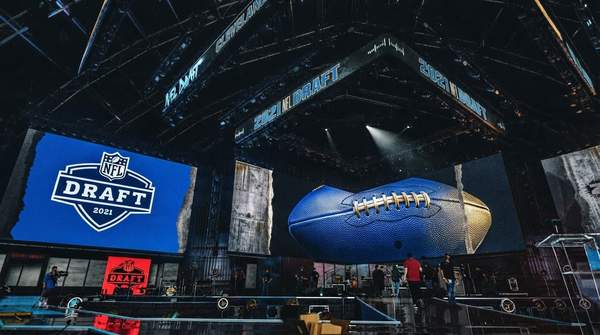
Five Factors That Separate NFL Quarterback Prospects From College Stars
Evaluating college quarterbacks requires predicting which strengths will translate to the NFL, a challenge complicated by 'trait degradation' where elite college traits diminish against professional competition. This article outlines five key factors—arm talent, accuracy, mobility, processing, and intangibles—and the observable indicators scouts use to project NFL success.
Oct 21, 2026 · 6 min read
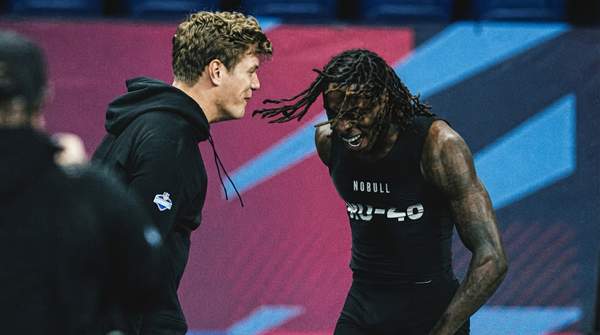
How NFL Teams Use Cognitive Tests, Tracking Data and Performance Models to Evaluate Defensive Back Prospects
NFL teams now evaluate defensive back prospects using a blend of cognitive tests, player tracking data, and advanced performance models. This multi-faceted approach helps determine a player's mental processing, on-field movement, and scheme fit for specific defensive strategies.
Oct 21, 2026 · 5 min read

Cover 0 Explained: The All-Out Blitz That Trades Safety for Pressure
Cover 0 is American football's most aggressive defensive coverage, featuring pure man-to-man assignments with zero deep safety help and a heavy blitz. This high-risk, high-reward strategy aims to sack the quarterback or force hurried throws before receivers can exploit the lack of deep coverage.
Oct 19, 2026 · 5 min read

How Moisture-Wicking Fabric Works: Capillary Channels and the Chemistry of Dry
Moisture-wicking fabric functions through a dual-principle model combining engineered structural channels for capillary action and fiber chemistry to manage sweat. This explains why materials like polyester excel and cotton fails, and how proper care preserves performance.
Oct 19, 2026 · 5 min read

Three Kinds of Pass Rush Analytics That See What Sack Totals Cannot
Modern NFL pass rush evaluation moves beyond simple sack totals by employing three advanced analytical approaches: continuous-time player tracking, detailed event charting of moves, and context-adjusted pressure rates. These methods provide a more nuanced, process-oriented view of a rusher's true impact and effectiveness.
Oct 17, 2026 · 4 min read
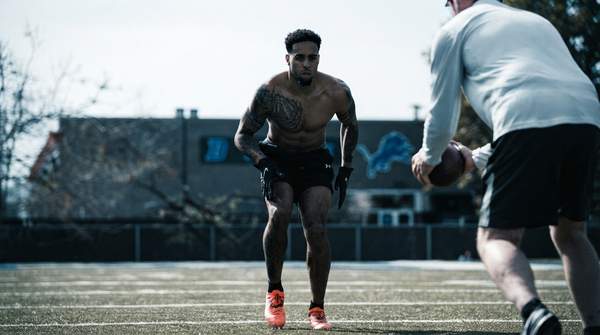
Why NFL Pro Days Matter: The Player-Friendly Second Chance That Shapes Draft Boards
NFL Pro Days provide a player-friendly, campus-hosted audition for draft prospects, serving as a crucial athletic record for those who missed or couldn't complete the Combine, and a qualitative confirmation for others.
Oct 16, 2026 · 5 min read