
All Stories

Beyond the Box Score: The Five Non-Statistical Traits NHL Scouts Actually Watch
NHL scouts evaluate prospects by focusing on five key non-statistical traits: hockey IQ, skating, consistency, physical game, and defensive play, rather than solely relying on points and goals. Understanding these qualitative aspects, alongside contextual factors, is crucial for forecasting a player's true potential at the professional level.

Landon DuPont Tops NHL Central Scouting's Preliminary Watch List, and the 'A' Rating He Carries Has a Strong Draft Track Record
Landon DuPont has earned an "A" rating from NHL Central Scouting, designating him as a potential first-round candidate for the 2027 NHL Draft. This rating carries significant historical weight, with a high conversion rate of "A"-rated prospects being selected in the first round.

Teaching the Most Complicated Defense in the Country: How Jay Hill Makes It Click for Michigan
Michigan's defensive coordinator Jay Hill utilizes a "tell, show, reinforce" teaching method to make his complex defensive scheme understandable and executable for players. This pedagogical approach is key to the Wolverines' rapid assimilation of the system.

4-4-2, 4-3-3 or 4-2-3-1: What Each Formation Tells You About a Team's Plan
Soccer formations like the 4-4-2, 4-3-3, and 4-2-3-1 offer distinct strategic trade-offs between defensive solidity, midfield control, and attacking numbers. Understanding these shapes helps identify a team's plan, strengths, and potential vulnerabilities, especially in midfield battles.

5 Reasons Custom T-Shirts Toronto Keeps Winning Over Sports Teams
For sports teams across the city, creating a unified look is essential for building identity and boosting morale. As the demand for personalized apparel grows, with the global custom t-shirt printing market projected to …

Power vs. Control: Which Tennis Racquet Category Actually Fits Your Game?
Tennis racquets are categorized on a spectrum from power to control, influenced by head size, weight, and string pattern. Understanding these categories—Power, Classic Control, and Modern Control—and matching them to your playing style and swing mechanics is key to selecting the right racquet.

Why FIP and xFIP Beat ERA for Predicting a Pitcher's Future
ERA measures past pitching results, but FIP and xFIP offer better insights into a pitcher's true talent and future performance by removing defensive and luck influences. Understanding the differences between these metrics is crucial for making informed fantasy baseball decisions.

How to Choose Sports Eyewear: Matching Your Sport's Risks to the Right Lenses, Materials, and Certifications
Choosing sports eyewear involves matching your sport's specific risks—impact, glare, UV, or debris—to appropriate impact-resistant materials, lens technologies, and safety certifications like ASTM standards. This guide helps you select protective and performance-enhancing eyewear for any activity.
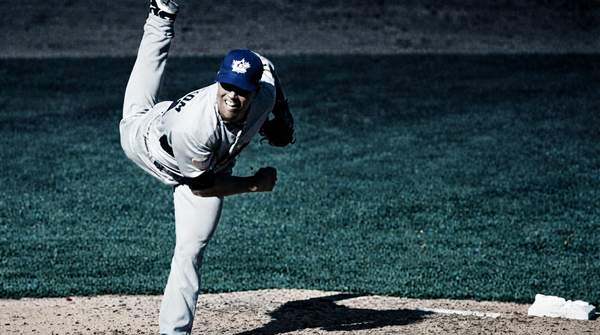
SIERA vs. xFIP vs. ERA: Why Batted Ball Data Makes SIERA the Sharpest Skill Test for Pitchers
Traditional ERA is a noisy, results-based statistic influenced by factors outside a pitcher's control. Advanced metrics like xFIP and SIERA offer better insights into a pitcher's true skill, with SIERA being the sharpest test due to its consideration of batted ball quality.

Bespoke Sports Wear Is Changing Club Apparel: Where Crown Green UK Stands in 2026
As we look towards 2026, the landscape of club and team apparel is undergoing a fundamental transformation. The old model of mass-produced, off-the-shelf kits is giving way to a more dynamic, demand-led economy. Accordin…

Beyond Positions: The Modern NBA's Offensive Archetypes and How They Fit Together
Evaluating NBA players by their offensive archetypes, such as shot creators and floor generals, is more effective than traditional positions. Understanding and balancing these functional roles is key to building successful modern offenses and rosters.
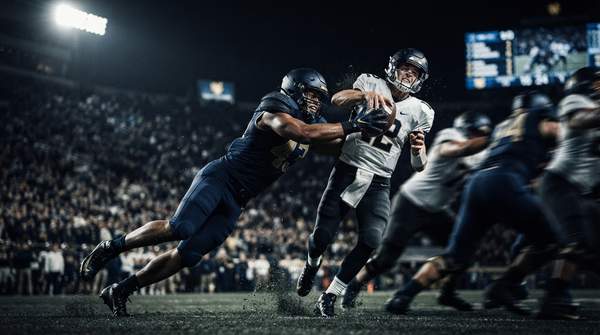
Scouting 2026 Edge Rushers: Four Traits to Watch on Film
This guide details the four key traits—motor, hand usage, bend/fluidity, and burst/power—essential for scouting 2026 NFL Draft edge rushers on film. It explains how these observable actions define different pass-rusher archetypes and their impact.

Eastern Grips Hit Hardest, Yet Pros Swing Semi-Western: The Science of Tennis's Power-Spin Trade-Off
Biomechanical studies reveal the Eastern tennis grip generates the most raw forehand power, yet professional players predominantly use the Semi-Western grip. This highlights a fundamental trade-off between power and spin generation in tennis strategy.

How Golf Course Design Turns Every Hole Into a Risk-Reward Decision
Golf course architects design holes to present strategic choices, turning each shot into a risk-reward decision. Understanding these design principles transforms how you play and watch the game.

Beating Manual Ladder Tracking: A Playbook for Sports Clubs
The rising popularity of amateur sports has created a parallel demand for more sophisticated, data-driven management tools. According to industry analysis from Stax, this trend is a key driver propelling the expansion of…

Steerhide, Kip, or Cowhide? Matching Baseball Glove Leather to Your Player, Budget, and Break-In Patience
The type of leather used in a baseball glove significantly impacts its break-in time, durability, and cost. Choosing the right material, from synthetic to steerhide or kip, depends on the player's skill level, budget, and patience for the break-in process.

How to Calculate Expected Value for a Moneyline Bet—and Why It Only Pays Off Over the Long Run
Expected Value (EV) quantifies the average profit or loss from a bet if repeated many times, calculated using a straightforward formula. While positive EV indicates long-term profitability, this mathematical edge only becomes reliable over a large sample of wagers, not single games.
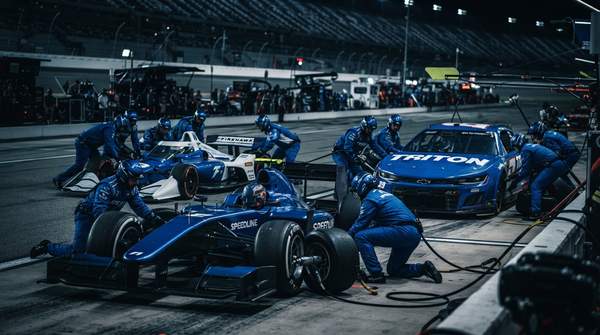
Four Battlegrounds of Race Strategy: How F1, IndyCar, and NASCAR Play Different Games With the Same Dilemma
Race strategy in motorsports hinges on balancing tire wear with pit stop frequency, but F1, IndyCar, and NASCAR each face this dilemma through unique rulebooks and priorities. Understanding these differences in tire management, pit stop timing, fuel strategy, and external variables reveals why adaptability is key to victory in each series.

Redraft, Keeper, or Dynasty? How to Pick the Fantasy Football League Format That Fits Your Commitment
Fantasy football leagues vary by roster continuity: Redraft resets annually, Keeper lets you retain a few players, and Dynasty keeps most of your roster. This guide helps you choose the format that best fits your commitment and strategic style.

Meet the 16-Fighter City Rosters Behind Team Boxing League
Team Boxing League is a professional sports league that introduces a revolutionary team-based format to the world of boxing. Instead of focusing solely on individual fighters, this league builds competition around city-b…

NHL Salary Cap Tools Explained: Buyouts, Retained Salary, Bonuses and the New Playoff Rule
NHL teams utilize contract buyouts, retained salary in trades, and performance bonuses as key salary cap flexibility tools. A new rule starting in 2025-26 requires teams to remain cap-compliant throughout the Stanley Cup Playoffs, increasing the strategic importance of these mechanisms.

From High Wings to Active Aero: How Six Decades of Regulation Shaped Formula 1's Air
Formula 1's aerodynamic evolution is a six-decade cycle of innovation and regulation, from early wings and ground effect to DRS and future active aerodynamics. These changes constantly balance car performance with the goal of competitive racing.

11, 12, and 21 Personnel: How NFL Offenses Use Two Digits to Dictate the Defense
NFL offensive personnel groupings, identified by two digits representing running backs and tight ends, dictate defensive formations in a pre-snap strategic battle. Understanding these formations like 11, 12, and 21 personnel reveals the offensive intent and the defensive counter-strategy.

How to Choose Your Tennis String and Tension: A Framework That Actually Gives You Numbers
This guide provides a practical framework for choosing tennis string material and tension, offering specific numbers based on skill level and playing goals. It helps players optimize their game through informed stringing decisions.