An NFL Pro Day is a draft prospect's campus-hosted audition, and its value is situational rather than universal. For players who never received a Combine invitation, who left Indianapolis without finishing their workouts, or who are returning from injury, the Pro Day is often the primary athletic record teams will evaluate. For everyone else, it functions as a confirmation exercise and, crucially, a qualitative one: because the setting is smaller and more personal, coaches have time to watch how a prospect works, how he takes instruction, and how he carries himself in face-to-face meetings that the Combine's brief interactions rarely allow.
Understanding NFL Pro Days: A Key Draft Opportunity
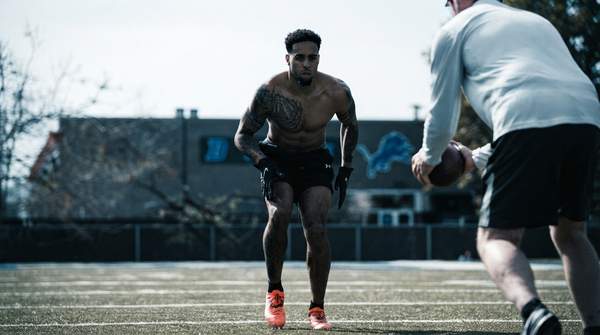
Pro Days are showcases for potential NFL prospects that take place on university campuses, as NBC Southern California's Max Molski explains in his draft-events primer. Surrounded by teammates, players get a chance to showcase their skills and meet with teams in a familiar setting. Structurally, the events mirror the Combine's core functions: prospects measure, work out, and interview with NFL coaches and evaluators, and both events feature similar drills, including the 40-yard dash and position-specific exercises. Body measurements—height, weight, and wingspan—are also taken.
The Players Association, in its "Pipeline To The Pros" guidance for aspiring professionals, frames the Pro Day as the designated fallback for players who don't complete their Combine workout due to field conditions, injuries, or other factors. That framing is the key to understanding the event's strategic weight: it is not a redundant re-run of Indianapolis but a second, more controllable data point in a prospect's file.
Pro Day vs. NFL Combine: Distinct Evaluation Environments
The Combine, held in Indianapolis, is built for uniformity: scouts evaluate prospects on a level playing field, with standardized conditions applied to every participant. Pro Days invert that logic. They take place wherever a prospect's university happens to be, in front of a smaller audience, among teammates, on fields the player has practiced on for years. Molski describes the result as a more personal, less stressful environment for players—one where the prospect, not the event, holds the environmental advantages.
One practical consequence follows from that player-friendly design: Pro Day drills are often hand-timed, which can produce faster recorded 40-yard-dash figures than a prospect might post under more standardized conditions. That means Pro Day numbers are best read as a prospect's best-case athletic showing rather than a directly comparable measurement, and evaluators have to adjust accordingly when placing them alongside Combine results.