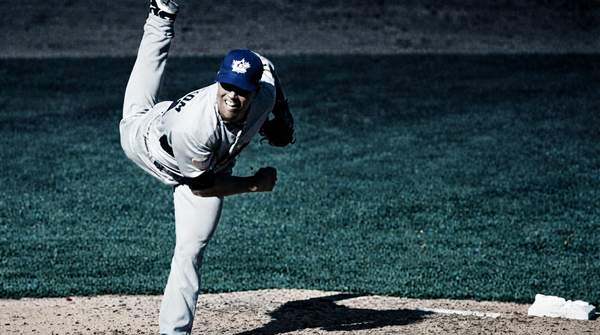
Every MLB team now runs its pitching staff on three kinds of data: how much a pitcher throws, how his body moves when he throws, and how well each pitch actually performs. That's the whole framework. Pitch counts and recovery times tell a team when to rest an arm. Biomechanical measures like arm angle and vertical approach angle flag risky movement patterns. And effectiveness metrics like Stuff+ and Location+ tell a team whether a pitcher's arsenal is still working. The interesting part — and the part most coverage misses — is that these categories sometimes pull against each other.
Introduction to Pitcher Analytics in MLB
I'll be blunt: the idea that baseball always ran on numbers is half true. Coaches have tracked arm strength, stamina, maximum pitch counts, recovery time, and warm-up routines forever, and they always knew these things varied from pitcher to pitcher. What's new is the resolution. As the American Baseball Coaches Association put it, observation used to be the primary metric for determining a pitcher's readiness — a coach watched, and made a judgment call.
That era is over. Modern tracking tools can measure every single ball a pitcher throws: velocity, strike-zone location, spin, rotation, trajectory. The modern era of baseball has been defined by an explosion of advanced analytics that reshaped how pitchers are evaluated and trained, as one peer-reviewed study of MLB shoulder injuries observed. Data now informs lineup decisions, pitcher usage, and training adjustments across a 162-game season. Teams use analytics because it helps them make more informed decisions, and over a full season those decisions compound.